When Mom or Dad Falls: Creating a Safe Home Environment for Aging Parents
Published June 1, 2026
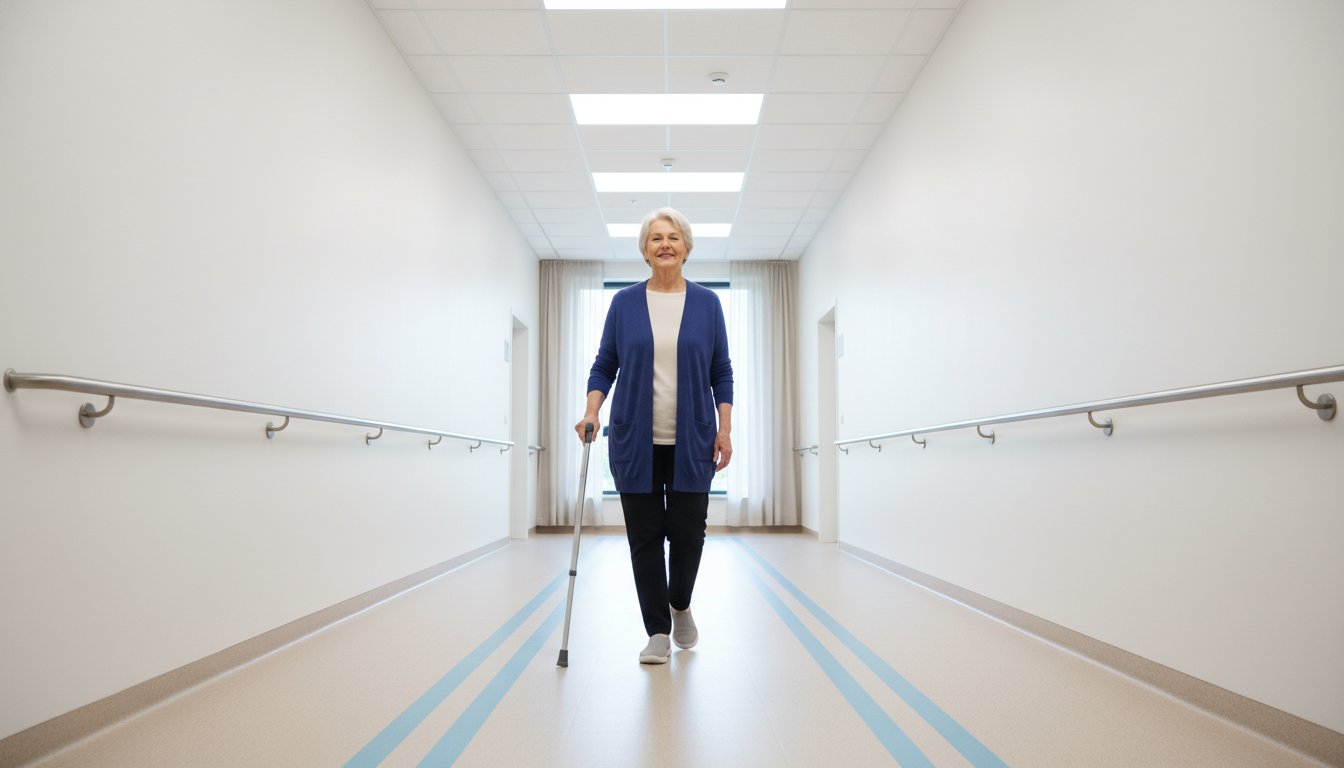
Watching your parent struggle with mobility changes can feel overwhelming. You notice them gripping the banister tighter, taking longer to get up from chairs, or mentioning a "little stumble" they had last week. These moments signal it's time to look at their home environment with fresh eyes.
Falls represent one of the most serious risks for older adults, but the good news is that many falls can be prevented with thoughtful home modifications. Creating a safer living space doesn't require a complete renovation. Small, strategic changes often make the biggest difference.
Start with a Room-by-Room Safety Assessment
Walk through your parent's home as if seeing it for the first time. Look for potential hazards that might not have mattered when they were younger but could pose risks now.
Living Areas and Hallways
Remove or secure loose rugs, which cause thousands of falls each year. If your parent loves their area rugs, use non-slip backing or double-sided tape to keep them firmly in place. Clear walking paths of electrical cords, magazines, and other items that create tripping hazards.
Check that furniture is sturdy enough to provide support if your parent needs to steady themselves. Wobbly side tables or lightweight chairs can become dangerous when someone reaches for support.
The Bathroom: Priority Number One
Bathrooms present the highest fall risk due to wet surfaces and hard fixtures. Install grab bars near the toilet and inside the shower or tub. These aren't just towel bars, grab bars are specifically designed to support body weight and must be properly anchored to wall studs.
Consider a shower chair or bench if your parent has trouble standing for long periods. Non-slip mats in the tub and on the bathroom floor provide additional security. A raised toilet seat can make sitting and standing much easier.
Stairs and Steps
Ensure handrails are secure and extend slightly beyond the top and bottom steps. Good lighting is crucial, consider motion-activated lights that turn on automatically. Mark the edge of steps with bright tape if depth perception is becoming an issue.
Lighting Makes All the Difference
Poor lighting contributes to many falls, especially at night. Replace dim bulbs with brighter ones, and add lighting in previously dark areas. Motion-sensor nightlights in hallways and bathrooms help your parent navigate safely during nighttime trips.
Keep flashlights in easily accessible locations in case of power outages. Some families find that bedside lamps with easy-to-reach switches give parents confidence when getting up at night.
Technology That Helps Without Overwhelming
Modern safety technology doesn't have to be complicated. Medical alert systems have evolved beyond the basic pendant. Some newer systems can detect falls automatically and don't require your parent to remember to press a button.
Smart home devices can control lights, adjust thermostats, and even call for help using voice commands. Start simple with one or two devices to avoid overwhelming your parent with too much new technology at once.
When Professional Help Makes Sense
Occupational therapists specialize in home safety assessments and can spot risks you might miss. Many insurance plans cover these evaluations, especially after a hospital stay or change in mobility.
A physical therapist can assess your parent's strength and balance, recommending exercises or equipment that might help prevent falls. Sometimes a simple walking aid or balance training can make a tremendous difference in confidence and safety.
Having the Conversation
Discussing home safety modifications with your parent requires sensitivity. They may feel like you're implying they can't take care of themselves. Frame the conversation around maintaining independence rather than addressing limitations.
Start with small changes they might welcome, like better lighting or a more comfortable shower setup. Once they see how these improvements enhance their daily comfort, they may be more open to additional modifications.
You might say something like, "I noticed you mentioned the bathroom feels slippery. Would you like me to look into some options that might make it feel more secure?" This approach focuses on their comfort rather than their limitations.
Budget-Friendly Solutions That Work
Home safety improvements don't have to cost thousands of dollars. Many effective modifications are surprisingly affordable. Grip tape for stairs, plug-in nightlights, and non-slip mats cost very little but provide significant safety benefits.
Check with your parent's insurance company about coverage for safety equipment. Some plans cover grab bars, shower chairs, and other safety devices when prescribed by a doctor.
Local Area Agencies on Aging sometimes offer free or low-cost home safety assessments and minor modifications for eligible seniors.
Creating Peace of Mind for Everyone
Making these changes isn't just about preventing falls, it's about giving both you and your parent confidence in their ability to live safely at home. When your parent feels secure in their environment, they're more likely to stay active and engaged.
Remember that this process takes time. Your parent has lived in their home for years, and changes can feel unsettling at first. Be patient and make modifications gradually when possible.
Taking steps to create a safer home environment shows your love and respect for your parent's independence. These thoughtful modifications can help them continue living comfortably in the place they call home while giving you greater peace of mind.